
Blog · Kitchen & Recipes
Mold Cookie Recipe: How to Use a Cookie Mold?
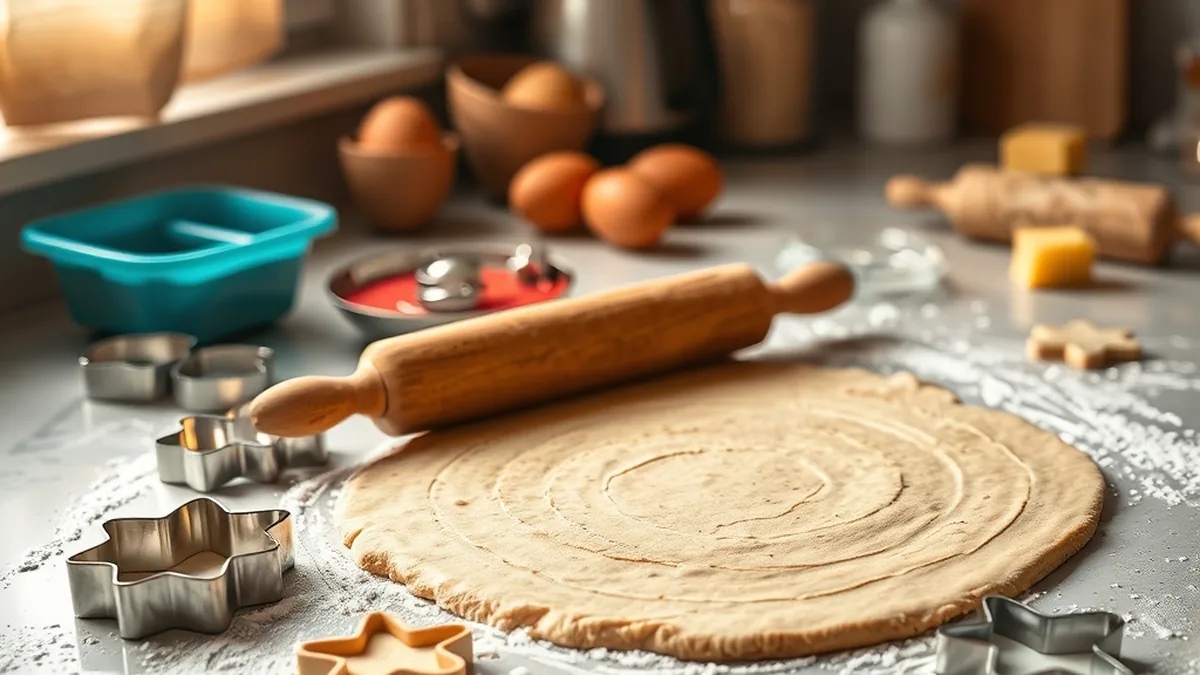
A good cookie cutter recipe relies on a dough that doesn’t rise or spread in the oven: butter, sugar, eggs and flour, but no baking powder. After kneading the dough, chill it, roll it out between two sheets of paper to an even thickness, press the cutter firmly and cut, and chill the cut shapes again before baking. The cutter is only for cutting; the dough comes out of the cutter, goes onto the tray, and the cutter stays on the counter.
The recipe below is a plain vanilla dough. We added a chocolate version at the very end.
Ingredients for mold cookies
Medium-sized molds yield approximately 30 cookies; the number varies depending on mold size and dough thickness.
- 200 g butter (cold, leaves a mark when pressed but hasn't melted)
- 130 g powdered sugar
- 1 yumurta
- 1 packet of vanilla powder or 1 teaspoon vanilla extract
- Grated zest of half a lemon (optional)
- A pinch of salt
- 400–420 g flour
Powdered sugar gives the dough a finer texture than granulated sugar, and the cut edges come out smoother. If you use granulated sugar, the cookie will be slightly crunchier and lightly textured; both work.
Why is there no baking powder?
Leavening creates gas in the dough, making the cookie puff up. That's desirable for a round cookie, but for details like a bear's ears or an umbrella handle, the puffing dough blurs the edges. King Arthur Baking also notes that dough without leavening holds its shape better than dough with baking powder or baking soda (King Arthur Baking).
Cookie cutter and cookie recipe: step by step
- Mix butter and sugar. Cut the butter into cubes, combine with powdered sugar using a spatula or a low‑speed mixer just until combined. Do not beat it for a long time; incorporated air will cause it to rise in the oven.
- Add the egg. Add the vanilla, lemon zest, and salt, then stir.
- Add the flour in two batches. Mix the first half with a spoon, then knead the second half by hand. Stop when the dough forms a smooth, non-sticky ball. You don't have to use all the flour.
- Divide the dough in half and flatten it. Make each piece a flat rectangle instead of a round ball, and wrap it in plastic wrap. King Arthur notes that the rectangular shape leaves more usable area for cutting shaped cookies (King Arthur Baking).
- Cool down. Chill the dough in the refrigerator for at least 30 minutes. During this time the butter hardens and the dough becomes ready to roll.
Measure ingredients by weight, not by cup. King Arthur also recommends weighing ingredients with a kitchen scale for accurate results (King Arthur Baking).
What thickness should the dough be rolled to?
Roll the dough between two sheets of parchment or baking paper. The reason for choosing this method over flouring the countertop is simple: extra flour that mixes into the dough while rolling can make the cookies tough (King Arthur Baking).
The same source offers two options for thickness:
- Approx. 6 mm (1/4 inch): Sturdy, break‑resistant cookies. For cookies that will be transported, packaged, or decorated by kids.
- Approx. 3 mm (1/8 inch): Thinner and more fragile, but yields more cookies from the same dough.
Whichever you choose, it is important to roll out all the dough to the same thickness. Thick and thin cookies bake at different speeds on the same tray. Placing two wooden sticks of equal thickness on either side of the rolling pin is an easy way to ensure even rolling.
How to use a cookie cutter?
Cutting with a mold looks simple, but a few details affect the result:
- Keep the dough cold. If the dough you opened has softened, place it with the parchment for 10 minutes in the fridge. Warm dough sticks to the mold and the edges get crushed.
- Dip the mold in flour. Dip the edge of the cutter in flour every few cuts and shake off the excess.
- Press down firmly, then rotate. Press the mold straight into the dough and lift it without rotating. Rotating will tear the edges.
- Place the cuts close together. Cut the shapes close together; that way you’ll need to roll out the dough less often. King Arthur also now suggests re‑rolling the dough only as much as needed (King Arthur Baking).
- Support thin parts while moving them. Transfer the cut shape to the tray using a spatula. If you rolled it out very thin, cut the shapes directly on the parchment paper, remove the scraps, and slide the paper with the cookies onto the tray.
If the mold sticks in the dough, gently push the thin dough out with your finger. Shaking or pulling the mold will tear the details.
Can the mold go in the oven?
This depends on the material of the mold. Metal and plastic molds are not used in the same way; follow the instructions on the product page or packaging of your mold. Our molds are 3D printed from PLA in our workshop in Antalya, as stated on the product pages. Do not use in the oven, hand wash only. We explained why PLA is heat‑sensitive and what PLA is in our article. After use, wash the mold with warm water, make sure no dough residue remains in the corners, and let it dry before removing.
At what temperature do mold cookies bake?
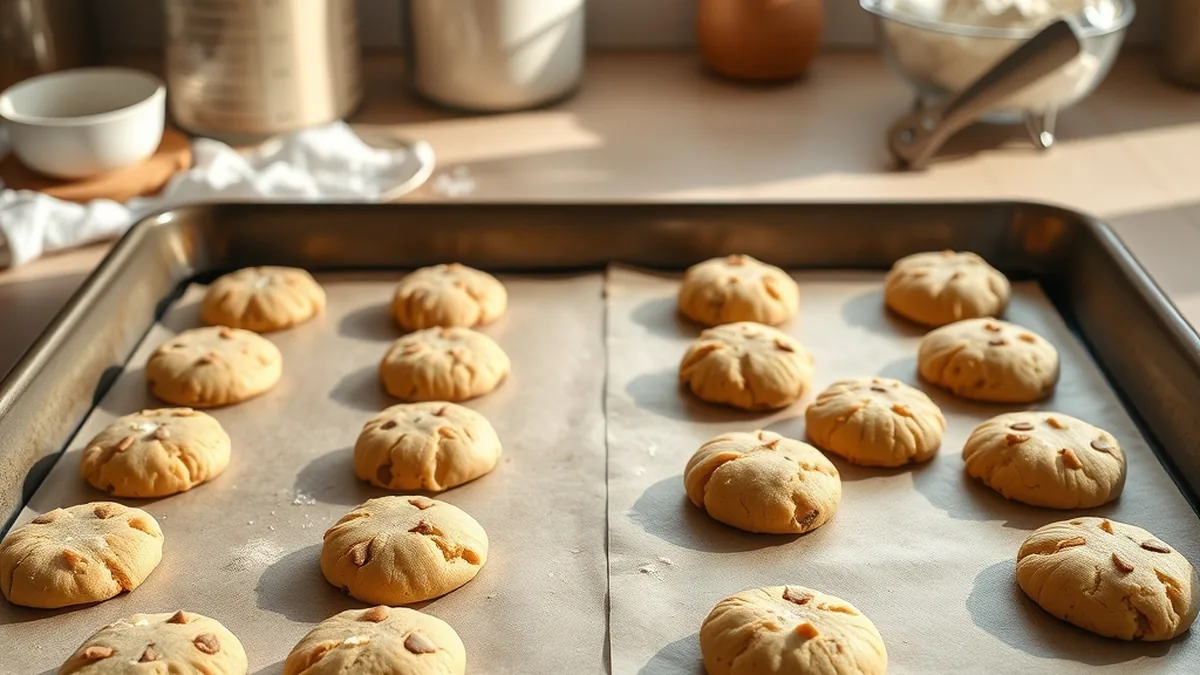
Arrange the cut shapes on a parchment-lined tray and place the tray in the refrigerator for 15 minutes. Meanwhile, preheat the oven to 170 °C. Take the cookies directly from the fridge and bake them.
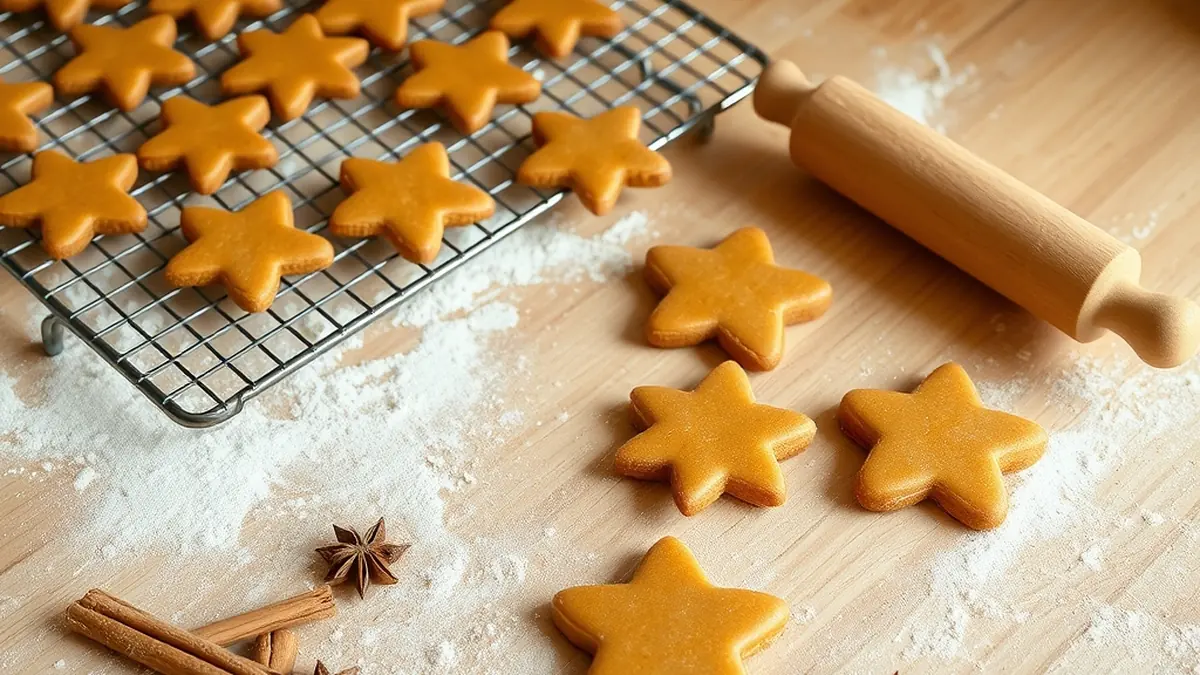
Baking time varies by thickness: thin cookies take less time, thick cookies take longer. Remove them when the edges just start to turn light golden; the center may remain pale. Cookies are soft when they come out of the oven; let them rest on the tray for a few minutes to harden as they cool. Then transfer to a wire rack to cool completely.
Wait for the pan to cool completely before baking the second batch. According to King Arthur, a hot pan causes the dough to heat up and spread before it goes into the oven (King Arthur Baking). If your cookies still spread despite this, the reasons are examined one by one in our article on why cookies spread reviewed.
Making shaped cookies with children
Shaped cookies are one of the recipes kids can really take part in. Our suggested division of labor is:
- Adults: Mix butter and egg, then place in the oven on a hot tray.
- Children: Add the flour, roll out the dough between sheets of paper, press the cutter, and arrange the cut shapes on a tray.
When making cookies with children, roll the dough thick; cookies around 6 mm are less likely to break in small hands and are easier to decorate. Choose wide-bodied, simple shapes: a bear or a cow is easier to cut and less likely to deform than a thin-pointed star. Our cow cutter's product page lists the dimensions as 8.4 x 7.4 x 1.6 cm; that's a palm-sized cookie. Other shapes in the kitchen category you can find it.
A reminder: tasting dough while cutting is tempting, but the US FDA advises against eating raw flour, raw dough, and uncooked cake batter, even tasting them (FDA. Çocuklara hamuru tatmak yerine pişmiş ilk kurabiyeyi sözü vermek işe yarar.
Chocolate mold cookie
With the same recipe you can make two‑tone cookies. Before splitting the dough, add 2 tablespoons of cocoa to half of it and replace the same amount of flour with cocoa; this keeps the dough’s consistency unchanged. Since the cocoa dough shows its color change later in the oven, watch the edges carefully.
Shapes cut from the same mold using chocolate and plain dough create a nice contrast on the plate. If you want to decorate the cookies, a simple glaze made with powdered sugar is enough; for consistency, adjust with cookie icing article you can check.
How should cookies be stored?
Store completely cooled cookies in an airtight container at room temperature. Place parchment paper between layers to prevent cookies from rubbing against each other and breaking. For glazed cookies, wait until the glaze is completely dry before placing them in the container, otherwise the surfaces may stick together.
You can also prepare the dough ahead of time: wrap it in plastic wrap the night before and refrigerate, then roll it out the next day. Let it sit on the countertop for a few minutes before rolling; dough fresh from the fridge may crack at the edges while rolling.