
Blog · Kitchen & Recipes
Why Do Cookies Spread? Ways to Keep Their Shape
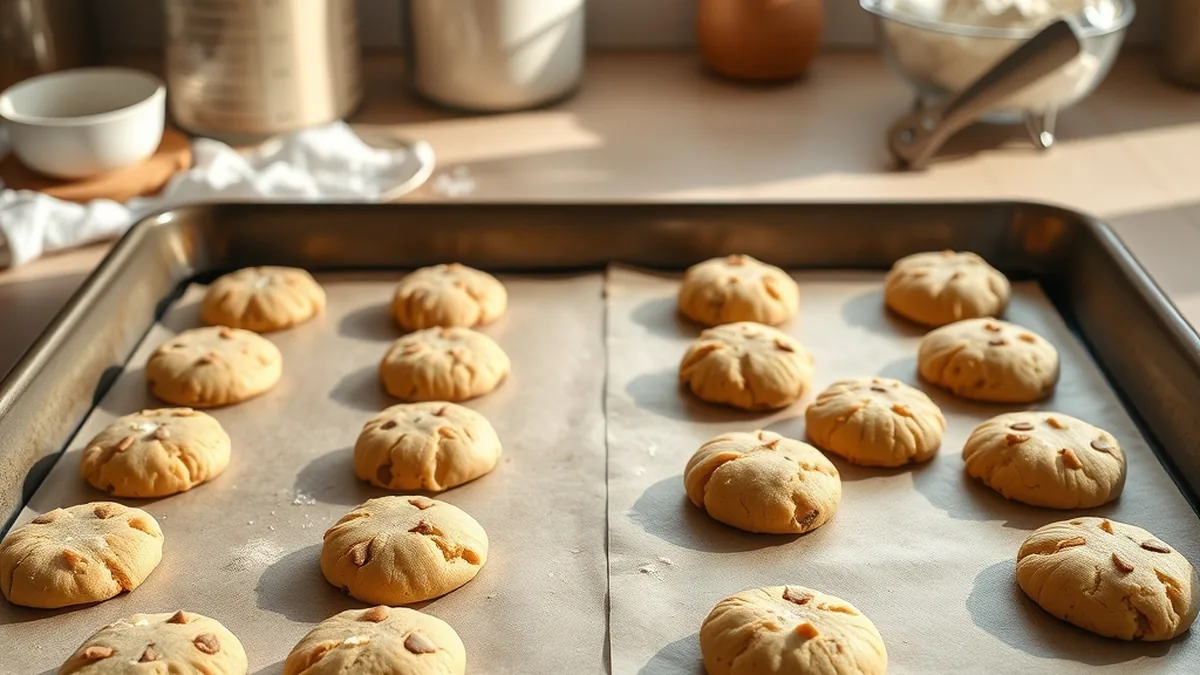
If the fat in the dough melts before the cookie's structure sets, the cookie will spread. Two things compete in the oven: on one hand, melting butter and sugar push the dough outward, while on the other, flour and eggs heat up and firm to set the shape. If the fat wins, the cookie flattens, the edges round out, and the shape cut with the cutter disappears. Often, the cause is not singular: overly soft butter, too much sugar, leavening agents, a greased or hot baking sheet, and an oven that hasn't reached temperature all combine.
Good news: all of these can be fixed. Below we addressed each cause individually and wrote what you need to do next to each.
Why do cookies spread? Why do they fall apart?
King Arthur Baking's helpline provides a list of reasons for spreading cookies (King Arthur Baking. Özetle şunlar:
- Butter too hot: Softened, glossy butter melts in the oven before the cookies set.
- Too much liquid or sugar: The balance between wet and dry ingredients is disrupted.
- Egg, large: Large eggs than required by the recipe add extra liquid to the dough. The source states that one egg should be approximately 50 grams.
- Tray greased: The oil applied to the tray helps the dough slide off.
- Tray hot: A hot tray left over from the previous batch warms the dough before it goes into the oven.
- Oven not hot enough: When the oven says "ready," the internal temperature is often not quite there yet.
Keep this in mind when reading this list: if the same recipe yields a perfect result one day and a flat cookie the next, the variable is likely not the recipe, but the kitchen temperature, how long the butter sat, or the condition of the baking sheet.
How soft should the butter be?
The phrase "room temperature butter" in recipes can be misleading, as a warm kitchen can bring the room temperature close to the melting point of butter. King Arthur's recipe is more specific: when touched, the butter should be cool should be. When you press it with your finger, it should leave an impression but you should feel some resistance. If it is greasy, shiny, or runs in your hand, it has overheated (King Arthur Baking).
Leaving butter out on the counter from morning until evening is one of the most common reasons cookies spread. Letting it sit briefly, or cutting into small cubes to soften faster, gives more controlled results.
The same source also mentions an alternative: the melting point of vegetable shortening is higher than butter’s, so when you use it instead of half the butter, the cookies spread less. Since it alters the flavor, it’s a matter of preference.
How do sugar and baking powder affect cookies?
Sugar doesn’t just sweeten; it also draws liquid from the dough. King Arthur recommends reducing sugar by roughly 10 % if cookies keep spreading (King Arthur Baking). To do this, you need to measure ingredients with a scale; sugar and flour measured with a cup will vary each time.
Baking powder and baking soda change the game depending on the shape. A round, plump cookie calls for a leavener. But for cut-out shapes, it's different: according to King Arthur, dough without leavening holds its shape better than dough with baking powder or baking soda (King Arthur Baking, cut-out cookies. İnce kulaklı bir baykuş ya da kıvrımlı bir şemsiye kesiyorsun kabartıcısız bir tarif seç. Böyle bir tarifi Cookie cutter recipe in our article we provided step by step.
One more warning: expired baking powder can also cause spreading, because the cookie spreads sideways instead of rising. Checking the package’s expiration date takes a minute.
What should you do to prevent cookies from spreading?
Once you know the causes, the actions fit into a short list:
- Weigh the ingredients. Especially for flour and sugar, measure by grams, not by scoop.
- Keep the butter cool. Leave a mark when pressed, but feel resistance.
- Let the dough rest. King Arthur recommends chilling the dough in the refrigerator for 30–60 minutes and baking it directly from the fridge (King Arthur Baking).
- Grease the tray, use parchment paper, or lay a silicone mat.
- Cool the trays completely between batches. If you only have one tray, prepare the second batch on parchment paper and slide it onto the tray once it cools down.
- Check the oven with a thermometer. There may be a difference between the oven's display and the actual internal temperature.
Does lowering the oven temperature help?
In another test by King Arthur, spreading cookies were baked at 350 °F (approximately 175 °C) for 14 minutes. When the same dough was baked for a longer time at 300 °F (approximately 150 °C), the cookies turned out much more uniform (King Arthur Baking). Author's note: the hotter the oven, the faster the butter melts, and the cookie's structure collapses before it sets.
This isn’t a rule for every recipe, but it’s one of the first things to try when you’re like “I did everything right, but it’s still spreading.” Remember that lowering the temperature means you’ll need to extend the bake time; decide based on the edge color.
Why do cookies turn out hard?
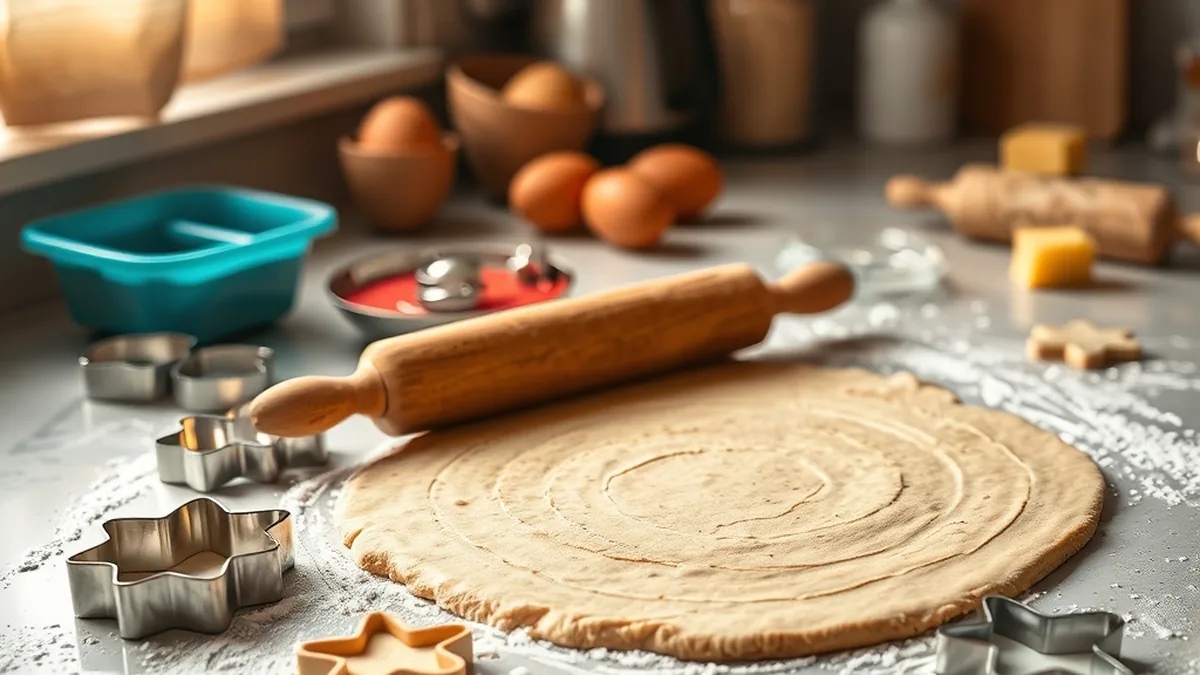
It's easy to swing to the other extreme while trying to fix spreading issues: adding extra flour to the dough. While excess flour does make cookies spread less, it makes them hard and dry. King Arthur recommends rolling out shaped cookie dough between two sheets of parchment paper rather than on a floured surface; extra flour mixed into the dough while rolling can make the cookies tough (King Arthur Baking, cut-out cookies).
Another reason is overbaking. Cookies are still slightly soft when they come out of the oven and firm up as they cool on the tray. It is better to remove them when the edges are lightly colored rather than waiting until they are completely hard. Repeatedly gathering and re-rolling the dough also fatigues it; the same source recommends placing molds close together and re-rolling the leftover dough as little as possible.
Why do cookies crack?
Cracking happens at two different moments. If the dough cracks at the edges while rolling it out, it is either too cold or too dry. Letting a firm disk that just came out of the fridge sit on the counter for a few minutes often solves the problem. If the dough won't come together and crumbles, there is too much flour.
If the surface of the cookie cracks in the oven, the dough is usually dry or rolled out too thick. Wrapping the dough tightly in plastic wrap while it rests prevents the surface from drying out. For thickness, King Arthur provides two measurements: approximately 6 mm (1/4 inch) yields sturdy cookies suitable for handling and children's decorating; approximately 3 mm (1/8 inch) yields thinner, more fragile cookies but in greater quantity (King Arthur Baking, cut-out cookies). If you roll all cookies to the same thickness, they bake in the same amount of time.
What should you watch out for with a shaped cookie cutter?
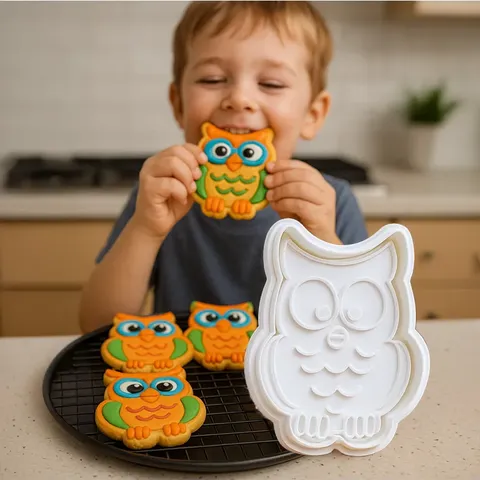
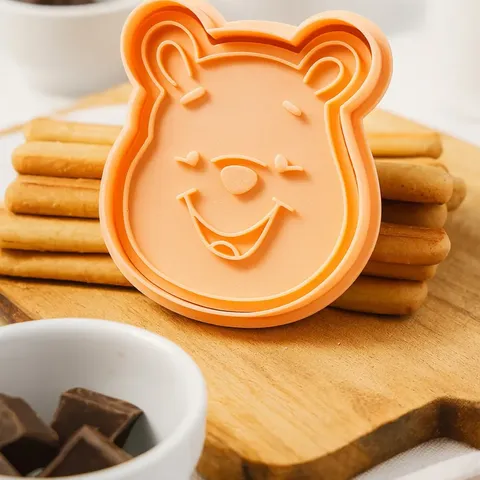
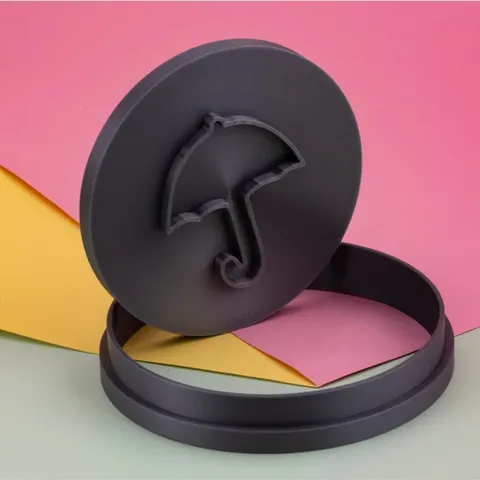
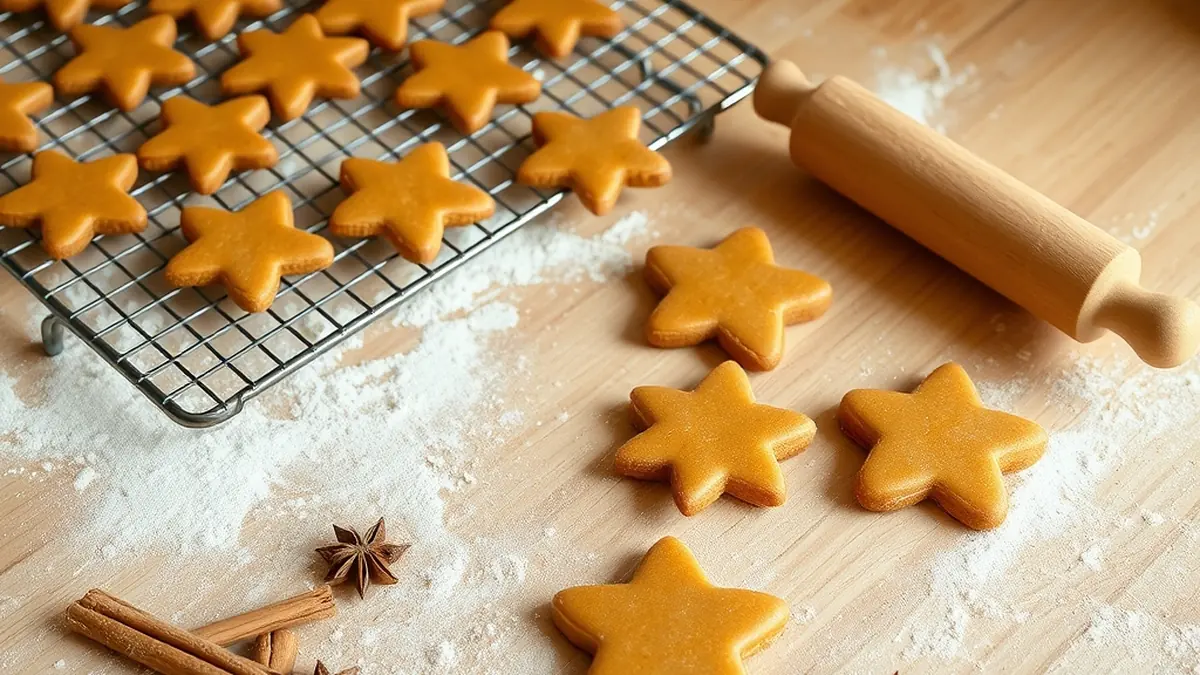
When cookies are cut with a mold, the cost of spreading is higher, because the smallest details are the first to disappear: an owl’s ear tips, a bear’s arms, an umbrella’s handle. A few habits preserve these details:
- After arranging the cut shapes on the tray, place the tray in the refrigerator for a short time. The cold helps the fat stay solid longer in the oven, keeping the edges sharp.
- Do not place cookies too close to each other; even if they spread a bit, they should not stick together.
- Press the mold down firmly and lift it without twisting. If dough sticks in thin areas, push it out with your finger.
Our molds are made from PLA on a 3D printer in our Antalya workshop. As the product pages state, they’re for cutting dough only: not for oven use, hand‑wash only. The owl‑mold page also recommends greasing the mold before use; this is different from greasing a tray and simply helps the dough release cleanly. Other shapes in the kitchen category.
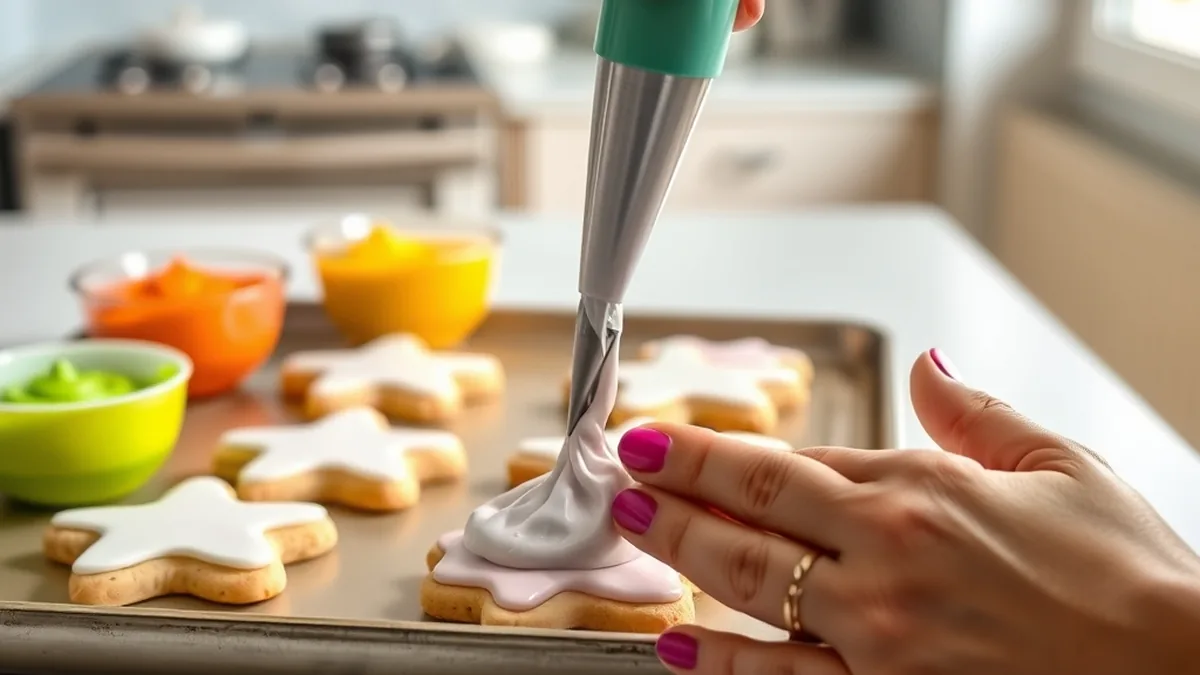
If the cookies turned out well, it's time for decorating. The consistency of the glaze can also flow and spread like the cookie itself; the consistency for outlining and filling in our cookie icing article we explained.