
Blog · Books & Reading
How to Instill a Reading Habit in Children?
The most reliable way to instill a reading habit in children is to make reading a daily, enjoyable, and pressure-free time spent together is to make it a habit. Start early, read at the same time every day, let the child choose the book most of the time, and let them see you reading. A habit won't settle in a week; but a ten-minute bedtime story every evening will eventually turn into the child reaching for a book on their own. Below, you will find how to do this, step by step and by age.
When should I start reading?
The answer is earlier than you might think. The American Academy of Pediatrics (AAP), in its 2024 updated recommendation on co-reading, from birth It is recommended to start and continue at least until the end of kindergarten. According to the academy, reading together helps form a loving bond during the critical period of brain development; it supports social-emotional, cognitive, and language development (HealthyChildren.org, AAP).
A baby doesn't understand the story, but loves the sound, rhythm, and pictures. UNICEF also recommends that babies start reading right away; vary the tone of voice, give characters different voices, and describe the pictures (UNICEF).
If your child is older, it's not too late. The same steps work for a school-age child; you just need a bit more patience at the start.
How to develop a reading habit?
A habit forms when a behavior is repeated in the same context. For a child, this context is usually time and placedir.
- Choose a fixed time. The hour before bed is the easiest. AAP recommends making reading part of the bedtime routine and using a book to wind down after a busy day (HealthyChildren.org). UNICEF, on the other hand, suggests incorporating the book into daily routines like bedtime or commuting on public transport (", ").UNICEF).
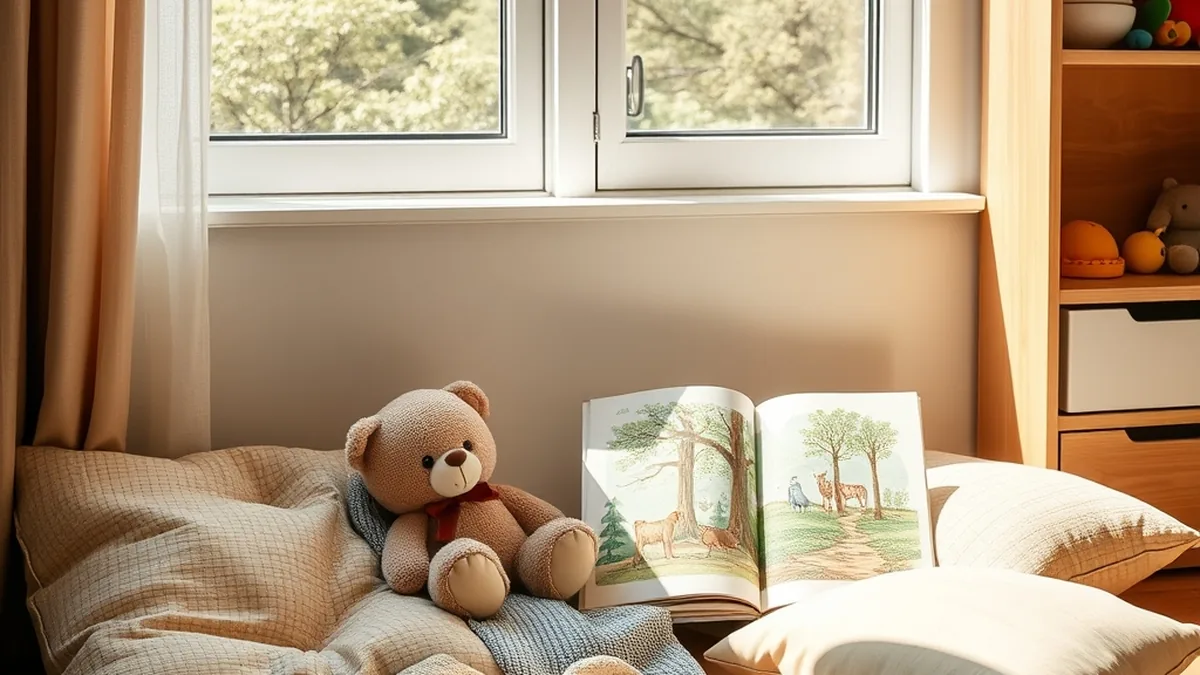
- Set a fixed location. One cushion, a lamp, and a low shelf are enough. We explained how to set it up in the reading nook article.
- Keep the time short. A toddler’s attention span is short. Ten minutes daily works better than one long session per week.
- Close the screen. UNICEF recommends limiting distractions like phones and TV during reading.
How many days does it take for a habit to stick?
There is no exact number of days. In a frequently cited study (Lally et al., 2010), it took adult participants an average of 66 days to make a new behavior automatic; however, this duration varied from 18 to an estimated 254 days depending on the individual. Another finding from the research is encouraging for families with children: missing a single day, sonraki ilerlemeyi pek etkilemedi (BPS Research Digest).
This study was conducted with adults, not children; so take the number as a guideline, not a target. The takeaway is this: if you don't see results within a few weeks, don't give up, and don't blame yourself if you miss a night. What matters is that the repetition continues.
Who should choose the book?
Most of the time, it's a child. UNICEF suggests following the child's interests and, for example, finding dinosaur books if they love dinosaurs; they say taking the child to pick out books can turn it into a special outing (UNICEF).
The same source specifically emphasizes one point: if a child is currently reading only comics, that’s fine, because comics also provide reading practice. You don’t have to force them to read harder books they’re not ready for.
In practice, you can do the following:
- Go to the library or bookstore together and let them pick a few books.
- Arrange the books at your child's height at home, with the covers facing forward.
- If you want to reread the same book over and over, flip it back; a familiar story is still a read.
- Ask a bookstore employee or librarian for age‑appropriate recommendations.
Should you read it too?
Yes, place it where they can see it as much as possible. UNICEF says that children seeing you read often encourages them to read, and also increases screen‑free time (UNICEF. Çocuğa "kitap oku" deyip telefona bakan bir yetişkin, söylediğinin tersini öğretir.
After the bedtime story hour, open your own book ten minutes later. If the child flips through your book beside you, you both are having a "reading time" in the same room.
What is discussed while reading?
Audio reading doesn’t have to be a one‑way narration. Involving the child in the story turns reading into a game.
- Ask a question. The question suggested by UNICEF is a great start: "What do you think will happen next?"
- Read in order. As your child learns to read, take turns reading one page or one paragraph aloud. UNICEF recommends this too.
- Describe the images. With a toddler, following pictures instead of words is also reading: "Where is the cat hidden?"
- Play audio. Let the wolf speak in a deep voice and the mouse in a high voice. This little game makes even the fifth reading of the same book fun.
AAP recommends the printed book; says digital books don’t provide the same parent‑child interaction. If you use screen reading or audiobooks, don’t forget to discuss the story with your child (HealthyChildren.org).
Little games to make reading enjoyable
What sustains a habit isn’t obligation, it’s curiosity. A few ideas:
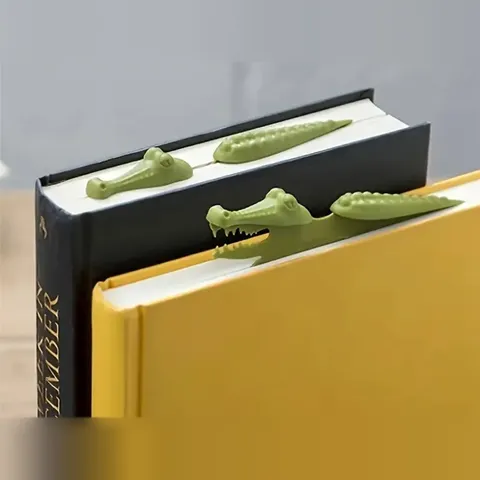
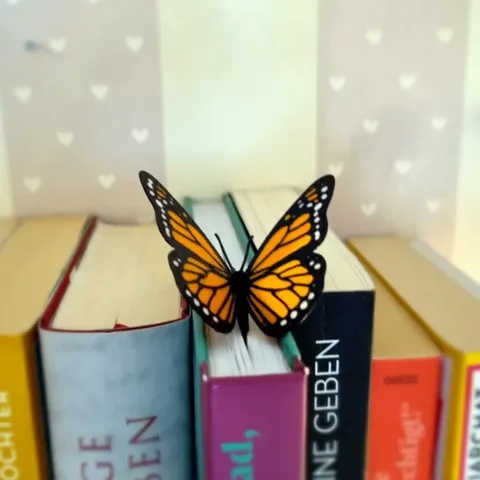
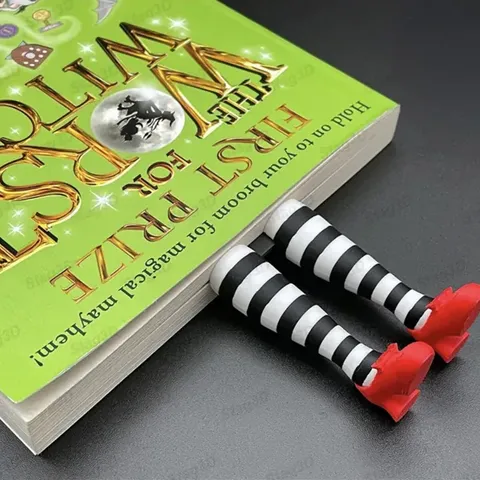
- Your own bookmark: A bookmark chosen by the child makes the idea of "where we left off" concrete. A crocodile holding the page in its mouth, red shoes hanging from the page, or two butterflies peeking from the edge become a small excuse to open the book the next evening. Options From the book accessories category you can check.
- Reading map: Write or draw the title of each finished book on a piece of paper on the wall. The growing stack shows the child how far they’ve come.
- Activity from the book: Baking cookies together after a story about baking, or visiting a museum after a dinosaur book, connects the book to real life.
- The tradition of giving books: Giving a book and bookmark on birthdays pairs the book with the celebration. Ideas for what to get a reader. Gift for a book lover in the text.
What shouldn't I do?
- Don't present reading as a punishment or a chore. "Go to your room, read a book" pairs the book with a penalty.
- Don’t forbid putting the book down halfway. Feeling forced to finish a book you don't like turns reading into a burden. Let them move on to another book.
- Do not compare. How many books your sibling or classmate has read can shadow a child’s own pace.
- Don't dismiss your choices. A comic book, an animal encyclopedia, or the tenth book in the same series; they are all reading.
How does reading change as a child grows?
- In infancy: Picture books with thick pages. Show the pictures, say their names, and make sounds. The goal here is not to finish the story, but to associate your voice and lap with the book.
- Before learning to read: Short stories and repeated sentences. The child starts saying familiar sentences before you do; that’s the first step in reading. Bedtime routines usually settle in at this stage for most families.
- While learning to read: Time for sequential audiobooks. Alongside easy books you can read yourself, let richer stories you read continue too.
- When transitioning to independent reading: Don’t skip the joint reading time. Reading the same book separately and then discussing it gives you both a shared topic and shows the child that someone truly cares about what they’re reading.